
Celebrating 26 Years of IPSR
Join our journey
Dr. Mendus Jacob
CEO & MD ipsr solutions limited
Managing Director & CEO
ipsr solutions limited
Professor & Director – MCA
Marian College Kuttikkanam (Autonomous)
Academic Leader in Outcome-Based Education (OBE), Accreditation & Quality Assurance
Edupreneur, Researcher & Advocate for AI-Driven IT Education
- June 30, 2026
Doomjobbing, Jobmaxxing and Lily Padding: What Today’s Jobseekers Must Understand Before Making Their Next Career Move
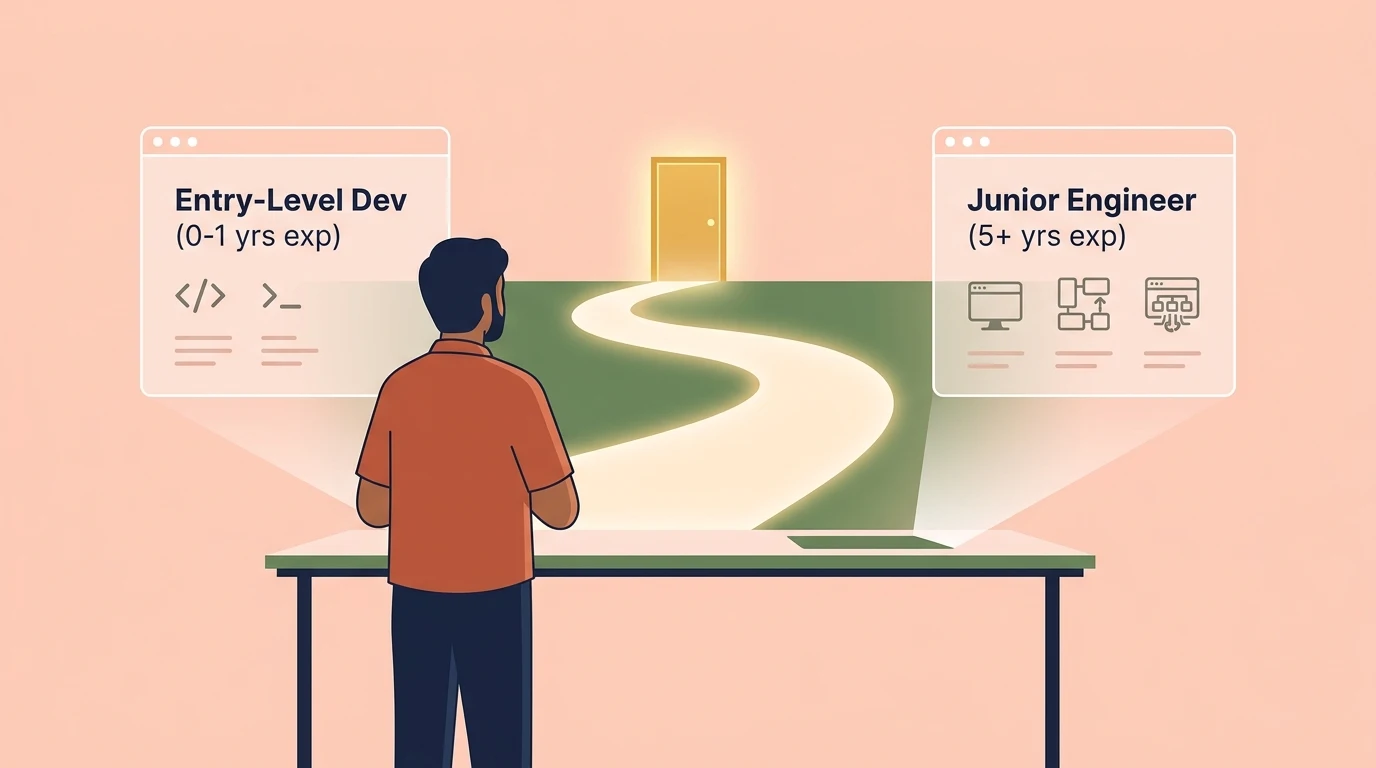
The job market has always carried uncertainty. Earlier, jobseekers waited for newspaper advertisements, attended walk in interviews, submitted printed resumes and trusted that steady effort would eventually open the right door. Today, things are different. A single evening on LinkedIn, Naukri, Indeed or company career pages can expose a candidate to hundreds of job postings, automated rejections, vague descriptions, AI screened resumes and unrealistic expectations.
For many students, freshers, alumni and working professionals, the job search is no longer just a process. It has become emotional. They are not only asking, “Where can I apply?” They are also asking, “Am I falling behind?” “Do I have enough skills?” “Should I switch careers?” “Should I accept any job?”
Out of this pressure, new career terms have become popular: doomjobbing, jobmaxxing and lily padding. These words may sound trendy, but they reflect real concerns in the modern employment landscape: anxiety, ambition, confusion, comparison and the desire to build a secure future.
As career counsellors and educators, we must understand these behaviours deeply, because today’s jobseekers do not need more panic. They need clarity, direction and confidence.
What is Doomjobbing?
Doomjobbing is the career version of doomscrolling. It happens when a jobseeker keeps scrolling through openings, applying randomly or checking listings repeatedly, but feels more anxious than productive.
At first, doomjobbing may look like hard work. A candidate may say, “I applied to 100 companies this week.” But many such applications may have been sent without reading the job description carefully, tailoring the resume, checking role fit or understanding the company.
This is common among freshers, laid off professionals, career switchers and those facing family or financial pressure. The jobseeker feels that applying everywhere is better than doing nothing. But over time, this can become a damaging cycle: search, apply, wait, worry, repeat.
When replies do not come, candidates may start believing they are not good enough. But often, the real issue is not lack of ability. It may be poor targeting, weak resume positioning, lack of interview preparation or applying to roles that do not match their skills.
Doomjobbing is not laziness. It is usually anxiety in action. The solution is not to stop applying, but to apply with strategy.
What is Jobmaxxing?
Jobmaxxing, or careermaxxing, refers to the habit of trying to optimise every part of one’s career. It may include improving resumes, LinkedIn profiles, interview answers, certifications, portfolios, communication skills, salary negotiation and personal branding.
In the right measure, jobmaxxing is useful. A student who improves communication, builds projects, learns relevant tools, prepares for interviews and updates LinkedIn is moving in the right direction. Career growth requires preparation, discipline and self improvement.
But jobmaxxing becomes unhealthy when it turns into endless comparison and over optimisation. Some candidates spend more time polishing their profile than building real competence. Some chase every trending certification without asking whether it matches their career path. Some keep watching videos on resume hacks and interview tricks, but avoid the harder work of mastering fundamentals.
For example, a student who wants to become a data analyst may suddenly feel pressured to learn Python, SQL, Excel, Power BI, Tableau, statistics, machine learning, cloud, generative AI and prompt engineering all at once. The result is confusion. Nothing is completed properly.
Jobmaxxing should not mean doing everything. It should mean doing the right things better. A strong career is not built by collecting random badges. It is built by developing relevant skills, proving them through projects, communicating them clearly and showing consistency over time.
What is Lily Padding?
Lily padding refers to strategically moving from one role, company, project or opportunity to another, like stepping from one lily pad to the next. Unlike careless job hopping, lily padding is not about running away from every difficulty. It is about making thoughtful career moves that improve skills, exposure, compensation, flexibility or long term growth.
This is becoming more common because long term job security is no longer guaranteed in the way earlier generations understood it. Earlier, staying in one organisation for many years was seen as loyalty and stability. Today, many professionals believe growth may come through carefully timed moves.
Lily padding can be wise when it is planned. A software trainee may move into a developer role after gaining practical experience. A cloud learner may move from support to DevOps after building confidence in Linux, networking, automation and cloud platforms. A digital marketing executive may shift from general execution to performance marketing after gaining campaign experience.
But lily padding has risks. If every move is made only for a small salary increase or because others are moving, the resume may look unstable. Employers may wonder whether the candidate will stay long enough to contribute meaningfully. More importantly, the candidate may miss the chance to build depth.
The question is not simply, “Should I change jobs?” The better question is, “Will this move make me more capable, credible and future ready?”
Why These Trends Are Rising Now
These career behaviours are shaped by a fast changing world of work. Hiring has become highly digital. Many candidates apply through platforms where they may never interact with a human being. Automated screening, keyword filters and AI assisted recruitment can make the process feel cold and unpredictable.
Competition has also increased. One job posting can attract hundreds of applicants. This pushes candidates either to mass apply or to over optimise their profiles.
AI is another major factor. Many entry level tasks are being automated or redesigned. Jobseekers now feel pressure to prove that they are adaptable, AI aware and capable of doing more than routine work.
Social comparison adds to the pressure. When people see peers posting promotions, salary hikes, new roles or international opportunities, they may feel left behind. Some begin applying impulsively, not because they have a clear plan, but because they feel anxious.
In short, doomjobbing, jobmaxxing and lily padding are responses to uncertainty. Some responses are useful. Some are risky. A wise jobseeker must learn to convert anxiety into strategy.
From Confusion to Clarity: How IPSR Nexthire Supports Jobseekers
At a time when many jobseekers are struggling with uncertainty, IPSR has been actively supporting students, freshers and alumni through structured career guidance and employability support. The present job market is challenging, and many capable candidates are confused about which roles to apply for, how to present their skills, how to handle interviews and how to choose a career path without panic.

Through IPSR Nexthire, IPSR has been working to bridge the gap between training and employment. It is an AI integrated career and placement support system designed to help learners become truly job ready. The focus is not merely on helping candidates apply for more jobs, but on helping them apply for the right jobs with preparation, confidence and clarity.
One of the biggest challenges freshers and alumni face today is identifying where they truly fit. A candidate may have completed training in Cloud and DevOps, Data Science, Full Stack Development, Cybersecurity or Digital Marketing, but may still be unsure about the most suitable entry level role. Some may be technically strong but lack interview confidence. Some may communicate well but need role specific technical preparation. Others may be applying everywhere without understanding whether the job matches their strengths, qualifications, interests and long term goals.
IPSR Nexthire addresses this gap through mentoring, skill gap identification, role based guidance, resume preparation, interview practice, confidence building, job readiness training and support in identifying ideal job roles aligned with a candidate’s strengths and aspirations.
A key strength of IPSR Nexthire is its AI powered mock interview support. Students and jobseekers can attend mock interviews multiple times, practise without fear and gradually improve their performance. After each mock interview, they receive AI generated feedback to understand areas for improvement, such as clarity of answers, technical accuracy, communication style, confidence, structure, relevance and overall interview readiness.
This repeated practice is extremely valuable. Many candidates fail not because they lack knowledge, but because they have not practised expressing that knowledge in an interview setting. Some give long and unfocused answers. Some become nervous. Some are unable to explain projects properly. Some do not know how to respond to HR questions. IPSR Nexthire creates a safe space where candidates can practise again and again, learn from feedback and improve before facing real interviews.
This is especially relevant in the context of doomjobbing, jobmaxxing and lily padding. When candidates are anxious, they may apply to every opening without strategy. When they are under pressure to maximise their careers, they may collect certifications or polish profiles without developing real capability. When they see others moving quickly, they may feel tempted to change direction without understanding the long term impact.
IPSR Nexthire helps learners pause, reflect and make wiser decisions. For alumni too, this continued support matters. Career journeys are not always straight. Some graduates may get placed quickly, while others may need more time, practice or a different role fit strategy. Some may want to shift to a better domain after gaining initial experience. Some may need help repositioning their profile after a gap, rejection or change in market demand.
In this journey, IPSR Nexthire serves as a dependable bridge between training and employment, helping learners move from confusion to clarity during an uncertain job market. It combines the warmth of mentoring with the power of AI enabled feedback, creating a balanced approach where technology supports human career development rather than replacing it.
Practical Advice for Jobseekers
1. Replace panic with a weekly job search system
Do not apply randomly every night until you are exhausted. Create a weekly structure. Identify suitable roles, shortlist the strongest matches, tailor your resume, connect with relevant professionals and spend time improving one key skill.
Job searching is not a lottery. It is a disciplined process.
2. Read the job description fully
Many candidates apply after reading only the job title. Read the responsibilities, required skills, experience level, location, work mode and company background. Ask yourself: “Can I genuinely do most of this role? Can I learn the rest quickly?”
3. Tailor your resume for the role
A generic resume is easy to send but easy to ignore. Your resume should reflect the role you are applying for. Do not stuff keywords dishonestly, but do not hide your strengths either.
4. Build proof, not just claims
Instead of saying “good communication skills,” show presentations, internships, client interactions, leadership roles or content you created. Instead of saying “knowledge of Python,” show projects, dashboards or problem solving work. The modern job market rewards evidence.
5. Use jobmaxxing carefully
Improve your LinkedIn profile, resume, interview skills and portfolio. But do not become addicted to endless polishing. A simple, clear and honest profile with strong proof is better than a heavily decorated profile with weak substance.
6. Do not confuse movement with growth
Lily padding is useful only when each move adds value. Before changing jobs, ask: What will I learn? What will I contribute? What will this move make possible after two years?
Salary matters, but skill depth, mentorship, role quality, work culture and future opportunities also matter.
7. Network with dignity
Networking does not mean begging strangers for referrals. It means building professional relationships. Connect with alumni, attend webinars, participate in communities and ask specific questions.
A message like “Please give me a job” rarely works. A message like “I am preparing for cloud support roles and would value your guidance on improving my profile” is far better.
8. Prepare before the interview call comes
Many candidates wait for an interview call before preparing. That is too late. Keep your self introduction, project explanation, technical fundamentals, HR answers and salary expectations ready. Practise aloud. Attend mock interviews.
With AI integrated platforms such as IPSR Nexthire, candidates can practise mock interviews multiple times and receive feedback for improvement. This repeated practice helps reduce fear, improve clarity and build real interview confidence.

9. Protect your mental health
A job search can be emotionally heavy. Rejection is difficult. Silence is even harder. But your employment status is not your identity. Take breaks, speak to mentors, avoid unhealthy comparison and remember that most people post outcomes, not struggles.
You are not behind. You are in preparation.
10. Keep learning, but choose a direction
Do not learn everything because the internet says so. Choose a career path and build depth. A full stack aspirant needs strong fundamentals and projects. A data aspirant needs Excel, SQL, statistics, visualisation and business understanding. A cloud aspirant needs Linux, networking, scripting, cloud basics and hands on labs.
Clarity reduces anxiety.
Conclusion: Choose Clarity Over Chaos
For today’s jobseeker, the message is simple: do not doomjob in fear, do not jobmaxx without direction, and do not lily pad your profile without purpose.
Careers are no longer straight ladders. They are pathways with turns, pauses, bridges and new beginnings. But the values that build a strong career have not changed: sincerity, discipline, skill, humility, communication and consistency.
Technology may change. Hiring platforms may change. Workplace trends may change. But employers will always value people who can learn, solve problems, work with others and take responsibility.
Today’s jobseekers need clarity, patience, continuous upskilling and the right guidance. With dependable support systems like IPSR Nexthire, freshers and alumni can move beyond confusion and prepare for meaningful, sustainable and ideal career opportunities.

By combining structured mentoring, role based guidance, AI powered mock interviews and personalised feedback, IPSR Nexthire helps learners face the job market with greater confidence. It reminds every jobseeker that career success is not about applying blindly, polishing endlessly or moving restlessly. It is about understanding one’s strengths, preparing sincerely and choosing the right opportunity at the right time.
The goal is not just to get any job. The goal is to build a career that fits your strengths, supports your growth and prepares you for the future.
One wise step at a time, clarity can replace anxiety. Preparation can replace panic. And the right guidance can turn uncertainty into opportunity.
You may also like

The Importance of Cyber Security Certification in 2025
July 18, 2024The Richest Tech Billionaires in this Planet
Jan. 1, 2024Four career tips for job seekers in IT
Jan. 1, 2024